
Imagine standing at customs, your bags open, only to be stopped because the anxiety medication in your pocket is classified as a controlled substance in the country you just arrived in. It sounds like a movie plot, but it happens every day. Thousands of travelers face detention, fines, or worse, simply because they didn’t have the right paper trail to prove their pills are for medical use, not illicit trade.
If you take medications containing opioids, stimulants, or benzodiazepines, you are carrying compounds regulated under strict international treaties. A simple doctor’s note isn’t always enough. You need a specific, formal document that aligns with global standards set by bodies like the International Narcotics Control Board (INCB). Without it, your health treatment could come to an abrupt halt-or land you in legal trouble.
The Global Framework: Why This Rule Exists
To understand why this process feels so bureaucratic, you have to look at the big picture. The world operates under three major drug control treaties: the 1961 Single Convention on Narcotic Drugs, the 1971 Convention on Psychotropic Substances, and the 1988 UN Convention Against Illicit Traffic. These agreements cover 186 countries and give governments the power to ban certain substances entirely.
However, these same treaties include a loophole for patients. Article 4(a) of the 1971 Convention allows countries to make exceptions for travelers carrying small quantities of psychotropic preparations for legitimate medical needs. The problem? Every country interprets "legitimate" differently. That’s where the International Narcotics Control Board (INCB) comes in. Established in 1968, the INCB pushes for standardized documentation so patients aren’t treated like criminals. Their 2023 guidelines recommend a unified approach, but adoption varies wildly. As of 2022, 142 countries had submitted their national regulations, yet many still enforce stricter rules than the international standard suggests.
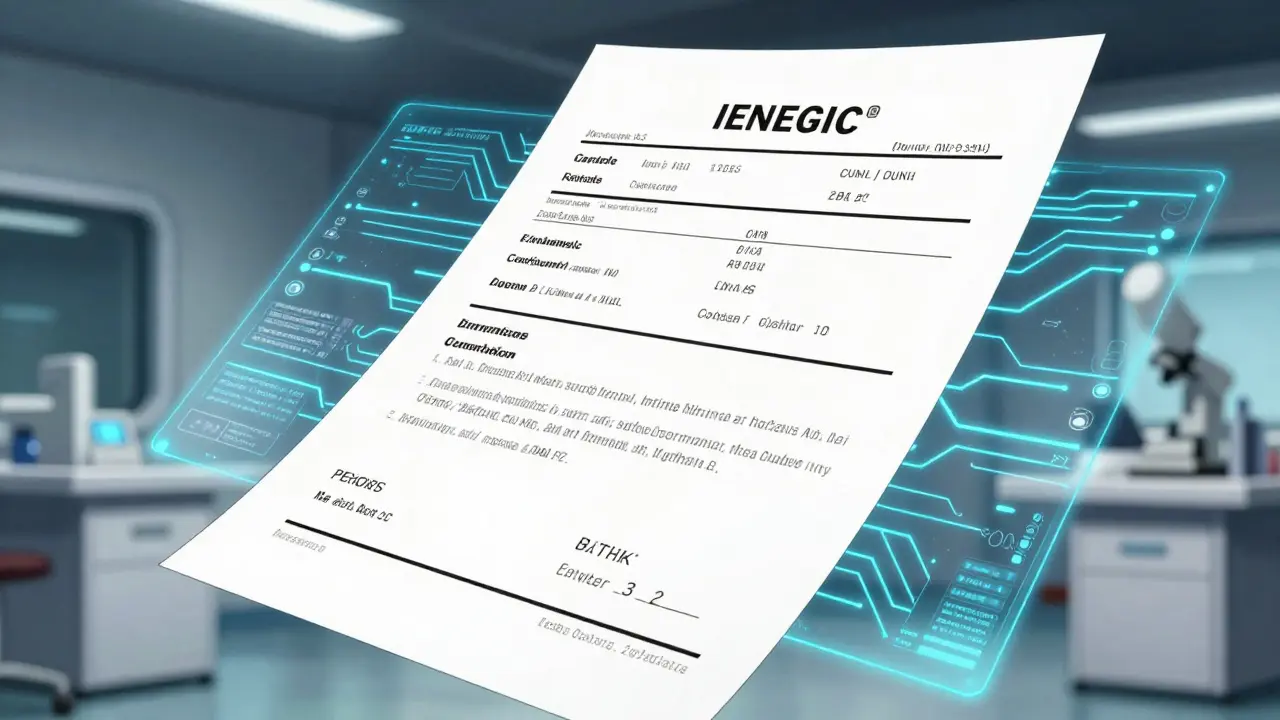
What Must Be in Your Doctor’s Letter?
A casual note saying "John needs his meds" will get you rejected. Customs officers need precise data to verify legitimacy. According to the CDC’s 2023 Yellow Book template and FDA guidelines updated in May 2023, your letter must include several non-negotiable elements.
- Patient Details: Full name and date of birth, matching your passport exactly.
- Provider Credentials: The doctor’s full name, title, license number, and direct contact information. It must be printed on official healthcare provider letterhead.
- Medication Specifics: This is critical. You must list the generic name of the drug, not just the brand name. Brand names vary globally; generic names are universal. Include dosage, frequency, and route of administration.
- Medical Condition: A clear statement of the diagnosis being treated.
- Formal Request: A sentence explicitly asking authorities to allow the patient to carry these medications without restriction.
The letter must be signed by the prescribing physician. If you are traveling with Schedule II-V controlled substances (like Adderall or Oxycodone), the DEA requires both this letter and the original prescription. The language matters too. If the letter isn’t in English, you need a certified translation. The FDA mandates this to prevent misunderstandings at borders.
Packing Rules: Containers and Quantities
Your paperwork is only half the battle. How you pack your meds can trigger alarms just as easily as missing documents. The golden rule from the FDA and Customs and Border Protection (CBP) is to keep everything in its original labeled containers. The pharmacy label should match the prescription and the doctor’s letter.
Many people prefer pill organizers for convenience, but this is risky. While some jurisdictions allow transfers if accompanied by robust documentation, sticking to original bottles eliminates doubt. Regarding quantity, the standard advice is to carry no more than a 90-day supply. Carrying six months’ worth of painkillers looks suspicious, even with a letter. The CBP’s 2022 guidance emphasizes "personal use quantities," and exceeding 90 days often invites additional scrutiny or denial of entry.
Country-Specific Nightmares: Where Rules Differ
This is where things get tricky. There is no single global law. You might fly through Europe with ease and then hit a wall in Asia or the Middle East. Let’s break down some high-risk zones based on INCB data and embassy advisories.
| Region/Country | Documentation Required | Key Restrictions |
|---|---|---|
| European Union | Doctor’s letter recognized across borders | Generally follows INCB guidelines; up to 90 days allowed. |
| Japan | Advance Approval (Yakkan Shoumei) | Adderall and other amphetamines are banned entirely, even with a letter. |
| United Arab Emirates | Ministry of Health Pre-approval | Strict penalties; advance clearance mandatory for most controlled drugs. |
| Singapore/Malaysia | Letter + Prescription | Criminal penalties for excesses; strict 30-day limit despite general 90-day norms elsewhere. | r>
| United States | Letter + Valid Prescription | CBP enforces strictly since 2021; electronic prescriptions accepted. |
| Canada | Doctor’s Letter (often sufficient) | Accepts letters for personal quantities under 100 dosage units. |
Notice Japan? They prohibit many common ADHD medications completely. No amount of paperwork will help you bring Adderall into Tokyo. In contrast, EU countries generally respect each other’s medical documentation. Always check the U.S. Department of State or local embassy websites before booking. Relying on forum posts is dangerous; 58% of travelers admit to using inaccurate sources for medication rules.
Preparing Ahead: The Two-Month Rule
Don’t wait until you’re at the airport. Brown University’s study abroad office recommends consulting your physician at least two months before departure. Why so early? Because getting the right chemical names and verifying destination laws takes time.
A 2022 survey by the International Association for Medical Assistance to Travellers found that 72% of physicians fail to provide the necessary chemical composition details in initial requests. You might need to follow up to ensure your letter includes the active ingredients' chemical names, which some countries require for verification. Also, consider telemedicine. The FDA and CBP updated their joint guidance in May 2023 to clarify that electronic prescriptions and telemedicine documentation are valid, reflecting the rise in remote care. Just ensure the digital records are printable and accessible offline during travel.
Common Pitfalls and How to Avoid Them
Even with a perfect letter, mistakes happen. Here are the top reasons travelers get flagged, according to expert analysis.
- Missing Generic Names: Listing only "Xanax" instead of "Alprazolam" causes confusion. Always include both.
- Quantity Mismatches: Carrying 100 pills when your letter says you take one per day raises red flags. Maintain a 1:1 ratio between documented usage and physical stock.
- Language Barriers: If your doctor writes in Spanish and you’re entering France, get a certified translation. The INCB reported language issues in 37% of incident cases in 2022.
- Splitting Meds: Never split pills into unlabeled bags. Keep them in the bottle dispensed by the pharmacy.
Dr. Ghada Wible of the UNODC noted that absent documentation is the single largest cause of traveler detention. But incomplete documentation is a close second. Make sure your letter addresses the controlled nature of the drug explicitly. For Schedule II substances, the DEA requires specific language that many doctors omit out of habit.
The Future of Medical Travel Docs
Things might get easier soon. The INCB launched a pilot in June 2023 for a standardized digital medical certificate, tested in 12 European countries. The European Commission is funding a €2.4 million project to create a harmonized EU-wide system by late 2024. Additionally, the WHO’s 2023 Digital Health Strategy highlights medication documentation as a priority for integration into digital health records.
However, don’t count on it yet. The INCB’s 2023 Annual Report warns of increasing regulatory fragmentation. Twenty-eight countries introduced new restrictions in 2022 alone. Until a global digital standard is universally adopted, the paper trail remains king. Stay proactive, verify every detail, and treat your medication documentation with the same seriousness as your passport.
Do I need a doctor's letter for all prescription medications?
Not necessarily for all meds, but absolutely for controlled substances. If your medication contains opioids, stimulants, or benzodiazepines, you likely need a letter. Common over-the-counter drugs usually do not require documentation unless carried in large quantities.
Can I transfer my pills to a weekly organizer?
It is highly discouraged. Most customs agencies, including the FDA and CBP, require medications to be in their original labeled containers. Transferring pills removes crucial identification labels, increasing the risk of confiscation or detention.
How long does the doctor's letter remain valid?
There is no universal expiration date, but it is best practice to obtain a letter within 30 days of travel. Some countries may reject letters older than a month. Ensure the letter reflects your current dosage and treatment plan.
What if my medication is banned in my destination country?
If a drug is banned (like Adderall in Japan), a doctor's letter will not help you bring it in. You must consult your doctor about alternative medications that are legal in your destination country and start taking them before you travel, with appropriate documentation for the new drug.
Is a photocopy of my prescription enough?
No. You need the original prescription or a certified copy, along with the doctor's letter. Photocopies of prescriptions are often viewed with suspicion. Carry the original pharmacy label and the official letter signed by your physician.
